
Preparing the Leaders Who Make Quality Early Education Possible
The Leadership Institute, a Systems of Care Initiative, gives early educators hands-on training, real-time practice, and the confidence to lead classrooms where children can thrive.
When we talk about expanding access to early childhood education, we often focus on funding, facilities, and the number of available child care seats. Those things matter. But access also depends on something just as important: prepared, confident educators who are ready to lead from the first day they enter a classroom.
That is the purpose of the Leadership Institute, a Systems of Care Initiative.
Led by Alicia Yahaya, owner of Open Minds Child Development Center and creator and instructor of the Leadership Institute, a Systems of Care Initiative, the program helps early educators move beyond online training and into real-world classroom readiness.
“It is very important for us to increase the access to early education all across the state of Kansas,” Yahaya shares, noting that many communities are experiencing child care deserts — areas where there are not enough providers to meet the needs of children and families.
The Leadership Institute is designed to help close that gap by strengthening the people at the heart of early education: the educators.
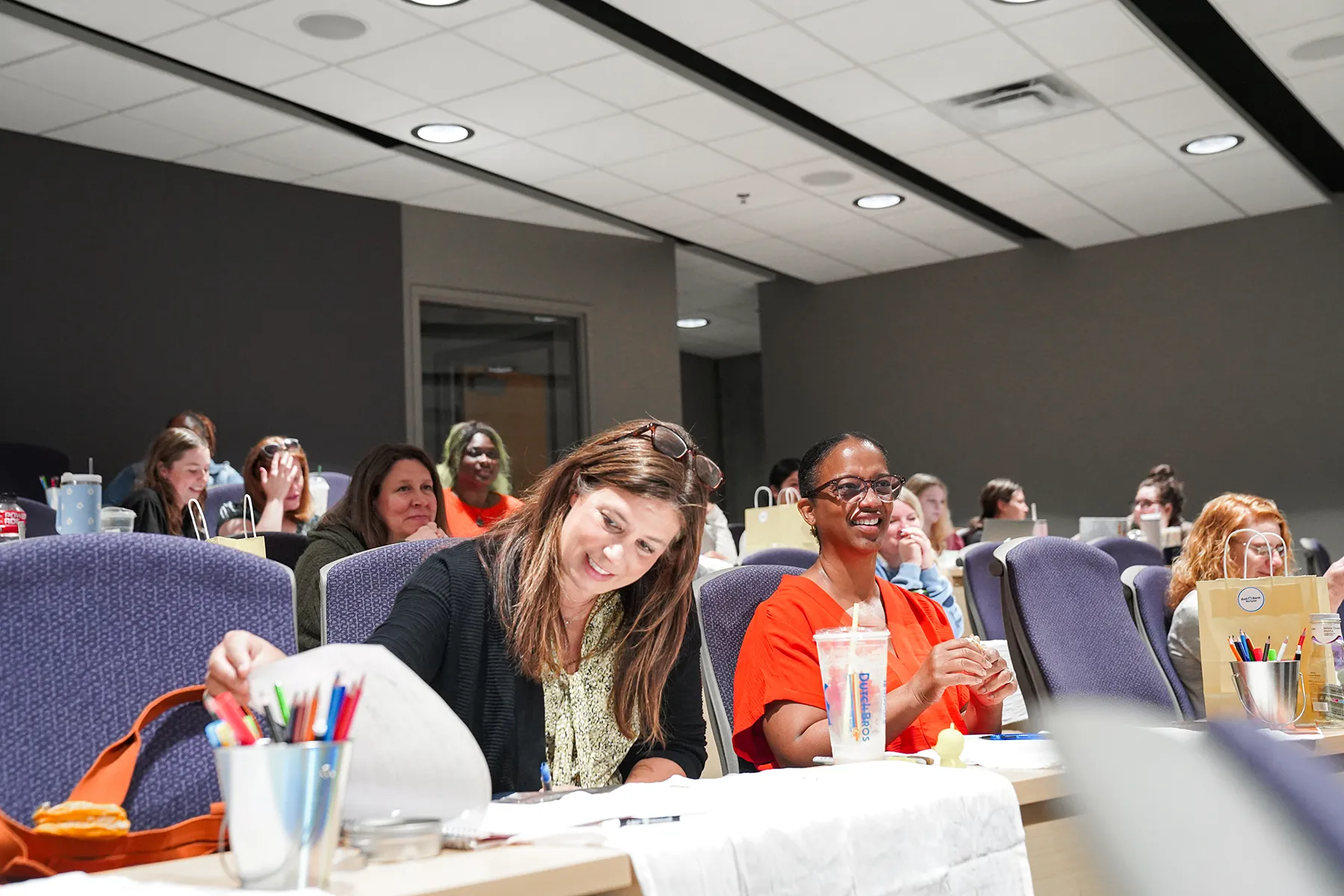
Hear from participants of the Leadership Institute.
From Training to Real-Time Practice
Many early educators complete required training online. They receive important information, but may not know how to apply it when they walk into a classroom filled with children, transitions, emotions, and competing needs.
“The Leadership Institute is an opportunity to really fine-tune those skills,” Yahaya says.
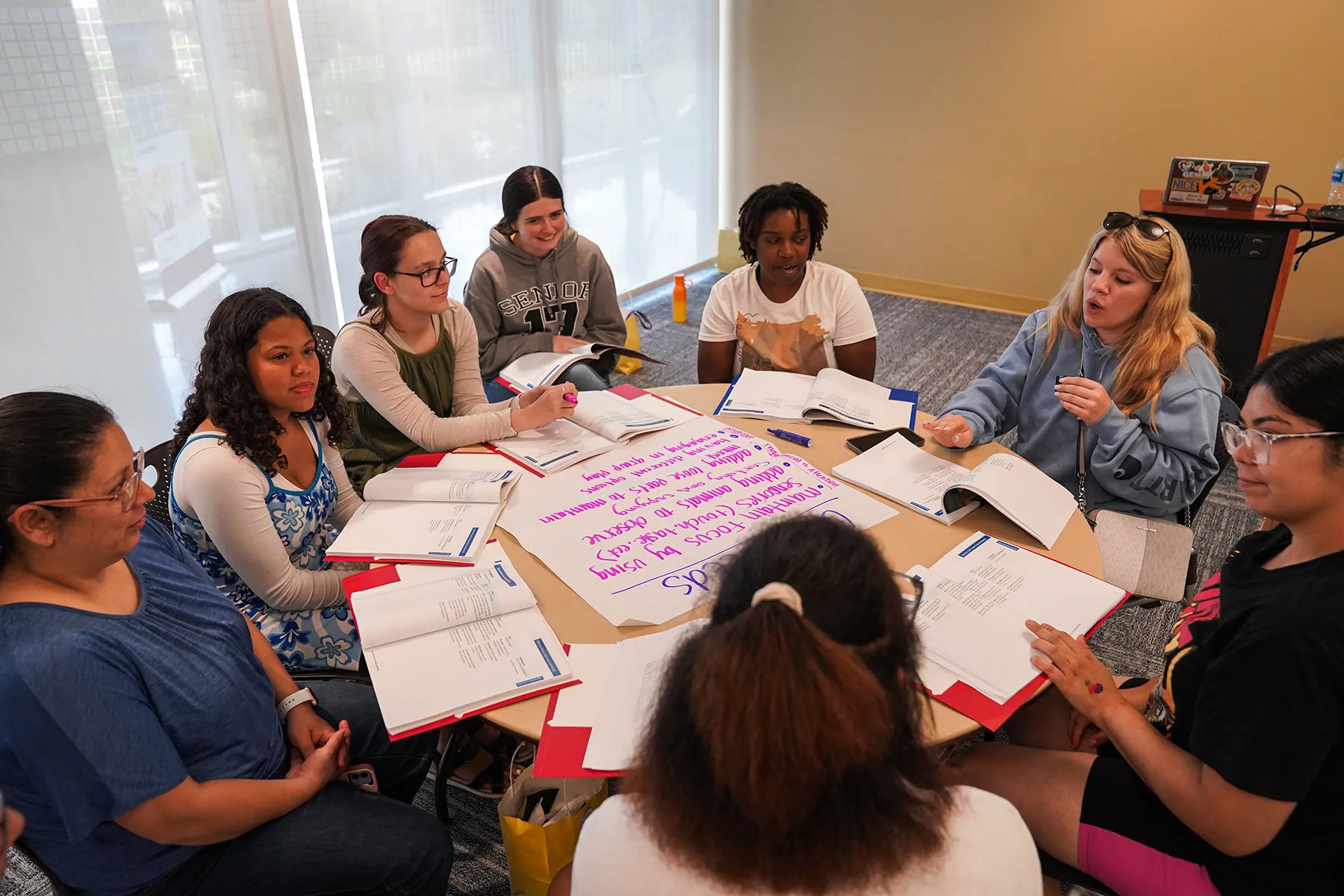
Participants use real classroom materials, work through simulation labs, respond to high-intensity scenarios, and practice making decisions in the moment. Instead of simply hearing what to do, educators get to rehearse how to do it.
As Yahaya explains, the goal is for educators to walk into the classroom and immediately begin using the skills they have learned. Otherwise, training can become information stored away without a clear path to action.
Practice Before Pressure
Early childhood classrooms move quickly. Children need redirection, comfort, attention, structure, and care — often all at once. For a new educator, those moments can feel overwhelming.
The Leadership Institute creates a safe environment for educators to practice before they are under pressure.
In simulation labs, adults may take on the role of students while one educator leads the group. Participants then provide feedback, reflect on what worked, and identify areas for growth. Over time, these repeated practice moments help build muscle memory.
As Yahaya puts it, many educators are “kind of just thrown in” on day one and told, “Here’s your classroom, good luck.”
The Leadership Institute offers a different model: preparation before pressure, practice before crisis, and support before educators are expected to lead alone.
Teachers Are Leaders
One of the strongest messages from the Leadership Institute is that early educators are leaders.
Inside a classroom, teachers set the tone. Children follow their lead. Educators guide the daily rhythm, manage transitions, support social-emotional development, create learning experiences, and respond to each child’s needs.
That leadership directly shapes children’s success.
When teachers are prepared and confident, children experience more consistent, nurturing, and high-quality learning environments. Those environments are essential to kindergarten readiness and long-term development.
The Leadership Institute reinforces that early educators deserve to be trained, supported, and respected as the leaders they are.
Expanding Access by Building the Workforce
Child care access is a workforce issue for parents, but it is also a workforce issue within the early education field itself.
If communities do not have enough trained educators, families cannot access the care they need. If educators do not feel prepared or supported, centers struggle to retain staff and maintain quality. If potential providers lack confidence, they may never take the next step toward opening a home-based program, joining a center, or becoming a classroom teacher.
The Leadership Institute helps address those barriers.
By giving educators hands-on preparation and consistent standards, the program helps build a stronger early childhood workforce. That means more families can find high-quality care closer to home, without needing to drive long distances or relocate to access support.
Why This Matters
SOCI’s work is rooted in a two-generation approach: supporting children and parents together.
Children need high-quality early learning so they can enter kindergarten ready to succeed. Parents need safe, reliable care so they can work, pursue education, and improve their family’s economic stability. Communities need strong early learning systems so families, employers, and future generations can thrive.
The Leadership Institute strengthens that system from the inside out.
By preparing educators to lead with confidence, SOCI is helping expand access, improve quality, and support the people who make early learning possible every day.
Because the future of early education depends not only on creating more seats.
It depends on preparing more leaders.
Imagine if every child entered school ready to thrive—not just survive. That’s not a dream. It’s a blueprint—and it’s already working.
Let’s keep moving the needle, together.